
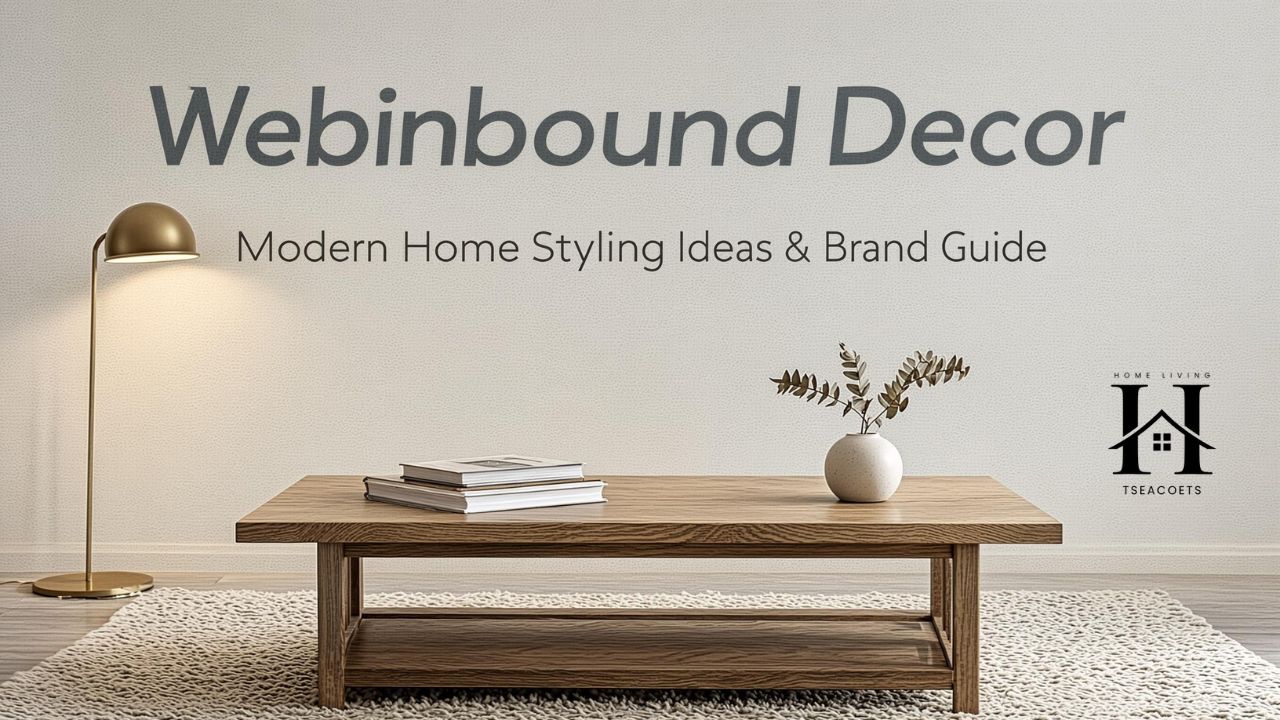
Introduction
Home decor is no longer just about filling space with furniture—it’s about expressing identity, comfort, and intention. In recent years, design-savvy homeowners have been quietly gravitating toward Webinbound decor for inspiration that feels modern without being cold, stylish without being overwhelming.
What makes this approach so appealing is its balance. Instead of chasing fleeting trends, Webinbound decor emphasizes thoughtful layouts, subtle textures, and pieces that actually work in real homes. In reality, that’s what most people want—spaces that look good online but feel even better offline.
If you’ve ever felt confused by conflicting decor advice or overwhelmed by endless Pinterest boards, this guide will help you understand how Webinbound decor fits into modern interior design—and how to apply it confidently.


Table of Contents
What Is Webinbound Decor?
Why Webinbound Decor Is Gaining Popularity
Core Design Principles Behind Webinbound Decor
How Webinbound Decor Works in Different Rooms
Materials, Colors, and Textures That Define the Look
Webinbound Decor vs Traditional Home Decor Styles
Personal Background and Brand Journey of Webinbound Decor
Common Mistakes to Avoid When Using Webinbound Decor
How to Style Your Home Using Webinbound Decor Principles
Frequently Asked Questions
Conclusion
What Is Webinbound Decor?
At its core, Webinbound decor refers to a modern, content-driven approach to interior styling that blends digital inspiration with practical design principles. Instead of focusing solely on luxury or trend-chasing, it prioritizes livability, balance, and visual clarity.
This style often pulls influence from:
- Modern minimalism
- Scandinavian functionality
- Contemporary urban interiors
However, it avoids the sterile feel that sometimes plagues minimalist spaces. That said, Webinbound decor thrives on warmth—layered lighting, organic textures, and subtle color contrast.
In simple terms, it’s decor designed for how people actually live today.
Why Webinbound Decor Is Gaining Popularity
The rise of Webinbound decor isn’t accidental. It reflects how people now discover, consume, and apply design ideas.
1. Digital-First Inspiration
Most homeowners begin their decor journey online. Webinbound decor translates beautifully across blogs, social platforms, and visual search—without losing relevance in real life.
2. Practical Over Perfect
On the other hand, highly stylized interiors often feel unlivable. Webinbound decor emphasizes:
- Comfortable seating
- Functional layouts
- Easy-to-maintain finishes
3. Budget-Flexible Design
In reality, not everyone wants—or needs—custom interiors. Webinbound decor scales well, whether you’re styling a rental apartment or upgrading a long-term home.
Core Design Principles Behind Webinbound Decor
Understanding these principles makes the style easy to replicate without copying anyone else’s space.
Balance Over Excess
Rather than filling every corner, Webinbound decor values negative space. Rooms feel breathable, not bare.
Visual Hierarchy
Each room has a focal point—art, lighting, or furniture—supported by quieter elements. This avoids visual noise.
Neutral Foundations with Character Accents
Most spaces start with neutral walls or flooring, then introduce interest through:
- Textiles
- Artwork
- Natural materials
Emotional Comfort
However, what truly separates Webinbound decor is how it feels. The goal isn’t perfection—it’s calm, clarity, and subtle personality.


How Webinbound Decor Works in Different Rooms
Living Rooms
Living rooms styled with Webinbound decor typically feature:
- Clean-lined sofas
- Soft area rugs
- Layered lighting
That said, personality comes through accessories—books, ceramics, or statement art.
Bedrooms
Bedrooms lean toward tranquility:
- Muted color palettes
- Upholstered headboards
- Minimal bedside clutter
The focus is rest, not decoration overload.
Kitchens and Dining Areas
Webinbound decor favors:
- Functional layouts
- Natural finishes like wood or stone
- Simple pendant lighting
In reality, these spaces are designed to age well rather than feel trendy for six months.
Home Offices
With remote work becoming normal, Webinbound decor integrates productivity:
- Ergonomic furniture
- Clean desk setups
- Warm lighting to reduce fatigue
Materials, Colors, and Textures That Define the Look
Preferred Materials
- Solid wood
- Linen and cotton
- Matte metals
- Stone or stone-look surfaces
Color Palettes
- Warm whites
- Soft greys
- Earth tones
- Muted greens and blues
Texture Layering
Texture is where Webinbound decor truly shines. Even neutral rooms feel rich when combining:
- Smooth surfaces
- Woven fabrics
- Subtle grain patterns
Webinbound Decor vs Traditional Home Decor Styles
| Feature | Webinbound Decor | Traditional Decor |
|---|---|---|
| Visual Style | Clean, modern | Ornate, classic |
| Color Use | Neutral with accents | Rich, heavy tones |
| Furniture | Functional, streamlined | Decorative, bulky |
| Maintenance | Low | Medium to high |
| Adaptability | Highly flexible | Style-specific |
In comparison, Webinbound decor adapts better to modern lifestyles and smaller spaces.
Personal Background and Brand Journey of Webinbound Decor
Webinbound Decor emerged from the intersection of digital content and interior design education. Rather than positioning itself as a luxury-only concept, the brand focused on accessibility and clarity.
Career and Growth
Webinbound Decor gained traction by:
- Publishing practical decor guides
- Showcasing realistic interiors
- Avoiding over-edited, unattainable visuals
Achievements
- Strong engagement across decor-focused platforms
- Recognition for blending content strategy with design education
- A loyal audience seeking honest, achievable styling advice
Financial Perspective
While exact figures aren’t public, brands operating in this niche typically monetize through:
- Content partnerships
- Affiliate decor recommendations
- Design consultations
Given its reach, Webinbound decor likely operates within a sustainable mid-six-figure annual revenue range, depending on expansion strategy.
Common Mistakes to Avoid When Using Webinbound Decor
Even flexible styles can go wrong.
Over-Minimalizing
Minimal doesn’t mean empty. Rooms still need warmth.
Ignoring Scale
Furniture should match room proportions—oversized pieces break balance.
Trend Overload
However tempting, mixing too many trends undermines the calm aesthetic Webinbound decor is known for.
How to Style Your Home Using Webinbound Decor Principles
- Start with neutral foundations
- Choose one focal element per room
- Layer lighting intentionally
- Add texture before adding color
- Edit ruthlessly—remove what doesn’t serve a purpose
In reality, less editing leads to better results.
Frequently Asked Questions
What makes Webinbound decor different from minimalist decor?
Minimalism focuses on reduction, while Webinbound decor emphasizes balance and livability alongside clean aesthetics.
Is Webinbound decor suitable for small apartments?
Yes. Its focus on functional layouts and visual clarity works exceptionally well in compact spaces.
Can Webinbound decor work with existing furniture?
Absolutely. The style adapts by refining layouts and accessories rather than requiring full replacements.
Does Webinbound decor follow trends?
It acknowledges trends but prioritizes timeless design choices over short-lived aesthetics.
Is Webinbound decor budget-friendly?
Yes. It scales easily from affordable retail pieces to higher-end selections.
How long does it take to style a room this way?
Most rooms can be transformed gradually over weeks, not days, which helps avoid costly mistakes.
Conclusion
Webinbound decor resonates because it feels honest. It doesn’t promise magazine perfection—it offers achievable, thoughtful design that improves how spaces look and function over time.
In a world saturated with visual noise, this approach stands out by doing less—but doing it better.