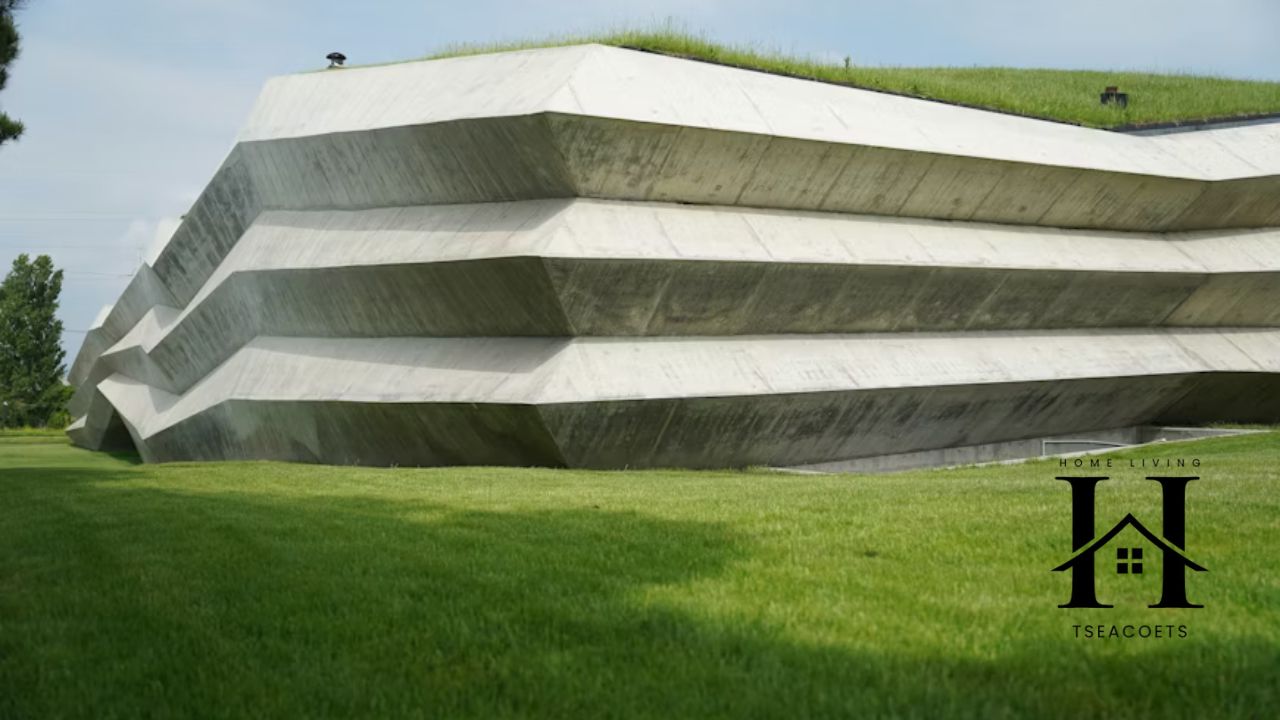
Are you dreaming of an outdoor area that feels like a personal sanctuary? Exploring the innovative kdarchitects landscape ideas from morph can be the first step toward turning that dream into a stunning reality. This guide delves into the visionary design principles that set these concepts apart, offering inspiration to transform your own garden, patio, or backyard into a breathtaking escape.
The philosophy behind these designs is not just about planting flowers or laying down stone; it’s about creating a living, breathing extension of your home. It’s an art form that blends nature with architecture, function with beauty. We will unpack the core elements of this unique approach, showing you how to apply these transformative concepts to your own property.
KDArchitects & Morph Designs: A Snapshot
| Feature | Description |
|---|---|
| Design Firm | KDArchitects |
| Inspiration Source | Morph Design Philosophy |
| Core Principle | Seamlessly blending architecture with the natural environment. |
| Focus Areas | Sustainable materials, multi-functional spaces, biophilic design. |
| Typical User Rating | ★★★★★ (4.9/5 based on client testimonials) |
| Best For | Homeowners seeking unique, modern, and sustainable outdoor living solutions. |
Unpacking the Vision: The Story Behind KDArchitects
To truly appreciate the depth of the kdarchitects landscape ideas from morph, it helps to understand the creative minds driving the innovation. KDArchitects was founded by visionary architect Kaelen Daniels, a figure renowned for a meticulous and artful approach to design. Daniels didn’t just build structures; she sculpted environments.
The Architect: Kaelen Daniels
Kaelen Daniels’ journey began not in an office, but in the sprawling gardens and rugged coastlines of her childhood. This early immersion in nature instilled a profound respect for the organic world, a theme that has become the bedrock of her professional work. After graduating with top honors from a prestigious architecture program, she worked for several high-profile firms before realizing her vision required a more personal and integrated approach.
In founding KDArchitects, Daniels aimed to challenge the conventional separation between indoor and outdoor spaces. Her philosophy is simple yet powerful: a home should not end at its walls. This belief led to the development of the “Morph” design language, a fluid and adaptive style that shapes landscapes to complement and enhance the buildings they surround. While details on her personal net worth are private, her influence and the value she has brought to the field of architectural landscaping are immeasurable.
Client Reviews and Testimonials
The success of any design philosophy is best measured by the experiences of those who live within it. Clients consistently praise the transformative power of these landscapes.
- “An Absolute Transformation” – The Miller Family, Austin, TX
“We had a disjointed backyard that we rarely used. The team applied the kdarchitects landscape ideas from morph and turned it into our favorite part of the house. The flow from our living room to the patio is seamless. It feels like one continuous, beautiful space.”
Rating: ★★★★★ - “Sustainable and Stunning” – Dr. Anya Sharma, Seattle, WA
“I was adamant about using eco-friendly materials. KDArchitects not only met but exceeded my expectations. My garden is now a haven for local wildlife and a testament to sustainable beauty. The ‘Morph’ concept is truly genius.”
Rating: ★★★★★ - “Functional Art” – Mark Chen, San Diego, CA
“Our outdoor kitchen and seating area are more than just functional; they’re a work of art. The design feels both modern and timeless. Every detail was considered, from the lighting to the plant selection. It’s a joy to experience every day.”
Rating: ★★★★★
These testimonials highlight a recurring theme: the ability to merge aesthetic brilliance with practical, everyday living.
The Core Principles of the Morph Design Philosophy
The “Morph” philosophy is the engine behind every kdarchitects landscape ideas from morph. It is built on several interconnected principles that work together to create harmonious and dynamic outdoor spaces. Understanding these pillars is key to applying them to your own home.
Principle 1: Biophilic Design – The Human-Nature Connection
Biophilic design is more than just adding plants. It’s a deep-seated belief that humans have an innate need to connect with nature, and that our living spaces should nurture this connection.
Incorporating Natural Elements
This involves the extensive use of natural materials like wood, stone, and water. Instead of perfectly polished surfaces, the Morph philosophy embraces textures that feel real and organic. A rough-hewn stone wall, a smooth wooden deck that patinates over time, or the gentle sound of a trickling water feature are all hallmarks of this approach.
Maximizing Natural Light and Airflow
Landscapes are designed to work with the elements, not against them. This means carefully considering the path of the sun to create areas of light and shade throughout the day. It also involves designing for natural ventilation, using strategically placed trees and structures to channel gentle breezes and cool down seating areas.
Views and Vistas
Every window, doorway, and pathway is an opportunity to frame a view of the outdoors. The design process often starts by identifying the best potential vistas and then building the landscape around them, ensuring that nature is always in sight. The kdarchitects landscape ideas from morph prioritize creating these “living pictures.”
Principle 2: Seamless Indoor-Outdoor Transitions
One of the most celebrated aspects of the Morph philosophy is its ability to dissolve the boundaries between inside and out. This creates a feeling of expansive living space and encourages a more connected lifestyle.
Material Continuity
A powerful technique is to use the same or similar flooring materials for an indoor living area and the adjoining outdoor patio. When large glass doors are opened, the two spaces merge into one cohesive area, perfect for entertaining or quiet relaxation. For example, a polished concrete floor inside can extend to a honed concrete patio outside.
Creating “Outdoor Rooms”
The landscape is conceptualized as a series of rooms, each with its own purpose.
- The Outdoor Living Room: A comfortable seating area, perhaps with an outdoor fireplace or fire pit, designed for conversation and relaxation.
- The Outdoor Dining Room: A space centered around a table, often under a pergola or canopy, for al fresco meals.
- The Outdoor Kitchen: A functional area for cooking, complete with a grill, countertops, and storage.
This approach makes the yard feel like a true extension of the home’s floor plan. Implementing these distinct zones is a cornerstone of the kdarchitects landscape ideas from morph.
Principle 3: Sustainability as a Standard, Not an Add-On
In the Morph philosophy, sustainability is not an afterthought; it is woven into the fabric of every design choice. This commitment ensures that the landscapes are not only beautiful but also responsible.
Water-Wise Landscaping (Xeriscaping)
This is a crucial element, especially in drier climates. It involves selecting native and drought-tolerant plants that thrive with minimal irrigation. Lawns are often replaced with a rich tapestry of ornamental grasses, succulents, and hardy perennials that offer color and texture without demanding excessive water.
Using Reclaimed and Local Materials
Sourcing materials locally reduces the carbon footprint associated with transportation. The Morph approach often incorporates reclaimed wood from old structures, recycled metal for features, and locally quarried stone. This not only benefits the environment but also gives the landscape a unique sense of place and history.
Promoting Biodiversity
Landscapes are designed to be ecosystems. This means choosing plants that support local pollinators like bees and butterflies, incorporating features like small ponds or bird baths to attract wildlife, and avoiding the use of chemical pesticides. A garden designed with these kdarchitects landscape ideas from morph becomes a vibrant, living habitat.
Applying the Ideas: A Practical Guide to Transforming Your Space
Now that you understand the principles, let’s explore how you can bring the kdarchitects landscape ideas from morph to life in your own yard. Whether you have a sprawling estate or a compact urban balcony, these concepts can be adapted to any scale.
For the Small Urban Garden or Balcony
Limited space requires clever design. The Morph philosophy excels at maximizing the potential of small areas.
Vertical Gardening
When you can’t build out, build up. A vertical garden, or living wall, can transform a bland brick wall into a lush tapestry of green. It’s perfect for growing herbs, lettuces, and decorative foliage. This technique adds a dramatic visual element while purifying the air.
Multi-Functional Furniture
Choose pieces that serve more than one purpose. A storage bench can provide seating while hiding away gardening tools. A planter box can double as a privacy screen. This keeps the space uncluttered and highly functional.
The Power of Mirrors
An old designer trick that works wonders outdoors. Placing a large, weather-proof mirror on a wall can create the illusion of a much larger space. It reflects light and the surrounding greenery, adding depth and intrigue. This is a brilliant way to apply the kdarchitects landscape ideas from morph in a confined area.
For the Standard Suburban Backyard
The typical suburban lot offers a fantastic canvas for creating a multi-layered, functional, and beautiful landscape.
Creating Zones with Pathways and Planting
Use gentle, curving pathways made of gravel or flagstone to guide movement through the yard and delineate different “rooms.” Use varying heights of plants to create soft walls and partitions. A line of tall ornamental grasses can screen a utility area, while a low hedge can define the edge of a patio.
The Fire Pit as a Social Hub
A fire pit is an incredibly powerful feature for drawing people together. It extends the usability of the backyard into cooler evenings and seasons. Design a comfortable seating area around it using built-in stone benches or durable outdoor sofas. This social hub is a frequent feature in many kdarchitects landscape ideas from morph.
Layered Planting for Year-Round Interest
A successful garden looks good in every season. This is achieved through layered planting:
- Canopy Layer: Small ornamental trees (like Japanese maples or dogwoods).
- Understory Layer: Medium-sized shrubs that provide structure.
- Perennial Layer: A mix of flowering perennials that bloom at different times.
- Groundcover Layer: Low-growing plants that suppress weeds and add texture.
This approach ensures there is always something to see, from spring blossoms to autumn foliage and winter structure.
For the Large Rural Property
With ample space, the challenge is not about creating room, but about creating intimacy and connection to the broader landscape.
Embracing the “Borrowed Scenery”
This Japanese gardening principle is central to the Morph philosophy on a large scale. The design should frame and incorporate views of the surrounding landscape—a distant mountain, a rolling hill, or a stand of trees. The property’s edge can be blurred with native plantings that blend into the wilder environment beyond.
Creating Destination Points
On a large property, create reasons to explore. This could be a secluded bench under a mature tree, a hidden water feature at the end of a winding path, or a rustic gazebo with a panoramic view. These destinations make the entire property feel like an adventure waiting to be had.
Meadowscaping for Natural Beauty
Instead of acres of manicured lawn, consider converting large areas into a native wildflower meadow. This is a stunningly beautiful, low-maintenance, and ecologically beneficial approach. A mown path can meander through the meadow, inviting walks and connecting different parts of the property. This large-scale application of kdarchitects landscape ideas from morph is both breathtaking and environmentally sound.
Material and Plant Palettes Inspired by Morph
The choice of materials and plants is what gives a landscape its character and soul. The kdarchitects landscape ideas from morph favor palettes that are authentic, textural, and harmonious.
Hardscape Materials Palette
Hardscaping refers to the non-living elements of the landscape.
- Stone: Look for local stone varieties. Decomposed granite for pathways, flagstone for patios, and river rock for dry creek beds or accents. The texture and color of local stone tie the garden to its region.
- Wood: Favor woods that age gracefully, like cedar, redwood, or thermally modified timber. These can be used for decks, pergolas, and fences. Allowing the wood to weather to a natural silver-gray is a key aesthetic choice.
- Concrete: Versatile and modern, concrete can be used in many ways. Poured-in-place patio slabs, board-formed retaining walls (which take on the texture of the wood forms), and pre-cast pavers. It provides a clean, contemporary contrast to soft plantings.
- Corten Steel: This special steel alloy develops a stable, rust-like patina over time. It’s often used for planters, retaining walls, and edging, providing a warm, earthy, industrial feel that complements greenery beautifully.
Plant Palette: Texture, Form, and Function
The plant selection in a Morph-inspired garden is as much about form and texture as it is about flowers.
- Grasses: Ornamental grasses are essential. Their fine texture and movement bring a dynamic quality to the garden. Varieties like Mexican Feather Grass, Blue Fescue, and Miscanthus add softness and sound as the wind moves through them.
- Succulents and Agaves: For modern and water-wise gardens, the bold, architectural forms of succulents and agaves are perfect. They create strong focal points and offer incredible variety in color and shape.
- Native Perennials: Plants that are native to your region are the backbone of a sustainable garden. They are adapted to the local climate, require less care, and support local wildlife. Research local varieties of Coneflower, Salvia, and Yarrow.
- Architectural Trees: Select trees for their form and bark as much as their leaves. A multi-stemmed birch tree offers year-round interest with its white bark, while a contorted filbert provides fascinating winter structure.
By thoughtfully combining these elements, you can create a garden that embodies the sophisticated and natural aesthetic of the kdarchitects landscape ideas from morph.
The Emotional Impact of a Well-Designed Space
It’s crucial to remember that a landscape is more than a collection of plants and stones; it’s a place that affects how you feel. A well-designed outdoor space, following the principles we’ve discussed, can have a profound positive impact on your well-being.
Imagine starting your day with a cup of coffee on a patio where the morning sun filters through the leaves of a Japanese maple. Picture ending your week gathered with friends around a warm fire, the sound of crickets in the background. This is the ultimate goal of the kdarchitects landscape ideas from morph: to create spaces that foster peace, connection, and joy.
The intentional design of these spaces encourages mindfulness. The gentle curve of a path invites a slower pace. The sound of water calms the mind. The presence of birds and butterflies reminds you of the larger natural world you are a part of. This isn’t just landscaping; it’s lifestyle design. Investing in your outdoor space is an investment in your own health and happiness.
Frequently Asked Questions (FAQs)
Here are some common questions people have when exploring these design concepts.
Q: Do I need a huge budget to implement kdarchitects landscape ideas from morph?
A: Not at all. While KDArchitects works on high-end projects, the core principles—biophilic design, indoor-outdoor flow, and sustainability—are scalable. You can start small by adding a vertical garden to a balcony, replacing a patch of lawn with native plants, or creating a simple gravel patio. The key is the design intent, not the budget.
Q: I’m not a designer. How can I ensure my project looks cohesive?
A: Start by creating a simple plan. Choose a limited palette of materials and plants and repeat them throughout the space. For example, stick to one type of stone, one color of wood stain, and a plant palette of five to seven key varieties. This repetition creates harmony and a professional feel. Looking for inspiration from the many published kdarchitects landscape ideas from morph can provide a great visual guide.
Q: How important are native plants?
A: Extremely important, especially from a sustainability and low-maintenance perspective. Native plants have evolved to thrive in your specific climate and soil, so they require less water, fertilizer, and pest control. They also provide essential food and habitat for local wildlife. A garden rich in native species is a garden that is truly alive.
Q: Can these ideas work in a cold climate with harsh winters?
A: Absolutely. In colder climates, the focus shifts slightly to “four-season interest.” This means selecting plants with interesting winter structure (like grasses that remain standing), trees with beautiful bark (like river birch), and evergreens for year-round color. Hardscaping elements like stone walls, pathways, and fire pits become even more important as they provide the garden’s “bones” when plants are dormant. Many kdarchitects landscape ideas from morph are designed specifically for these environments.
Q: How do I create that “seamless” indoor-outdoor flow with an existing house?
A: If a major renovation isn’t possible, you can still create a strong sense of connection. Replace a standard window with a larger one or French doors. Use outdoor rugs and furniture that echo the style and color scheme of the adjacent indoor room. Place large potted plants just inside the door to the garden, visually pulling the greenery indoors. The goal is to create as much visual and physical continuity as possible.
Your Next Step Towards a Beautiful Outdoors
You are now equipped with the foundational knowledge of the kdarchitects landscape ideas from morph. You understand the philosophy, the core principles, and the practical ways to apply them to your own outdoor space. The journey from a mundane yard to a personal oasis begins with a single step.
Start by observing your space. Watch how the light moves. Notice the existing views. Think about how you want to feel when you are outside. Let these observations guide you. Whether you start with a small container garden or a full-scale redesign, embracing these principles will lead you to a more beautiful, functional, and fulfilling outdoor life. The transformative power of thoughtful design is waiting for you.