
Introduction
You’ve probably come across the term grayoffsetback and wondered what it actually means—or why people keep talking about it. At first glance, it sounds technical, maybe even obscure. But once you understand it, you’ll realize it plays a surprisingly important role in modern workflows.
Whether you’re a beginner exploring new concepts or someone looking to refine your expertise, grayoffsetback is more relevant than you might think. It bridges the gap between precision and efficiency, helping users achieve better outcomes with less guesswork.
In this guide, we’ll break everything down in plain language—no fluff, no jargon overload—so you can not only understand grayoffsetback but actually use it effectively.
What Is Grayoffsetback?
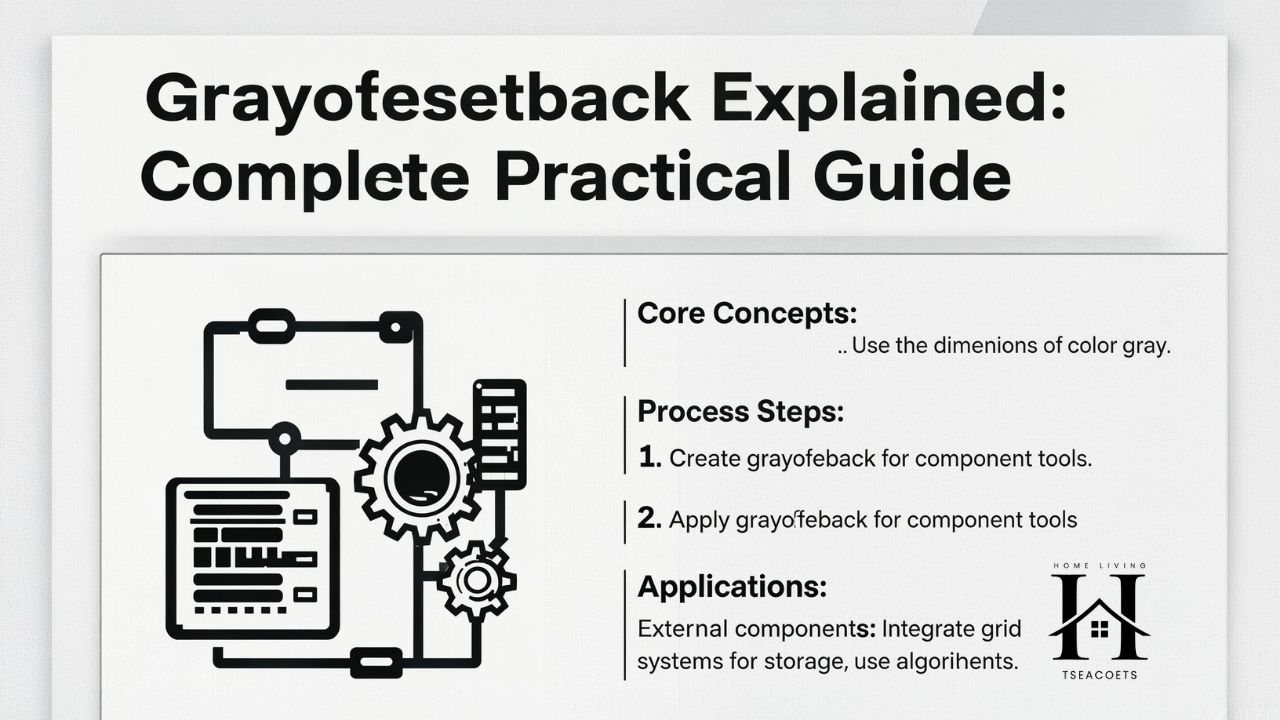
Grayoffsetback refers to a structured method or concept used to adjust, balance, or refine output—typically in technical, digital, or visual environments. It combines principles of offset correction and grayscale calibration to produce more accurate results.
In simpler terms, it’s about fine-tuning outputs so they align with intended standards.
Why the Concept Matters
Understanding grayoffsetback is important because:
- It improves accuracy in output
- It reduces inconsistencies
- It enhances visual or data clarity
- It supports better decision-making
Without proper application, results can appear distorted, misaligned, or inefficient.
How Grayoffsetback Works in Practice
At its core, grayoffsetback works through a combination of adjustment layers and calibration logic.
The Basic Process
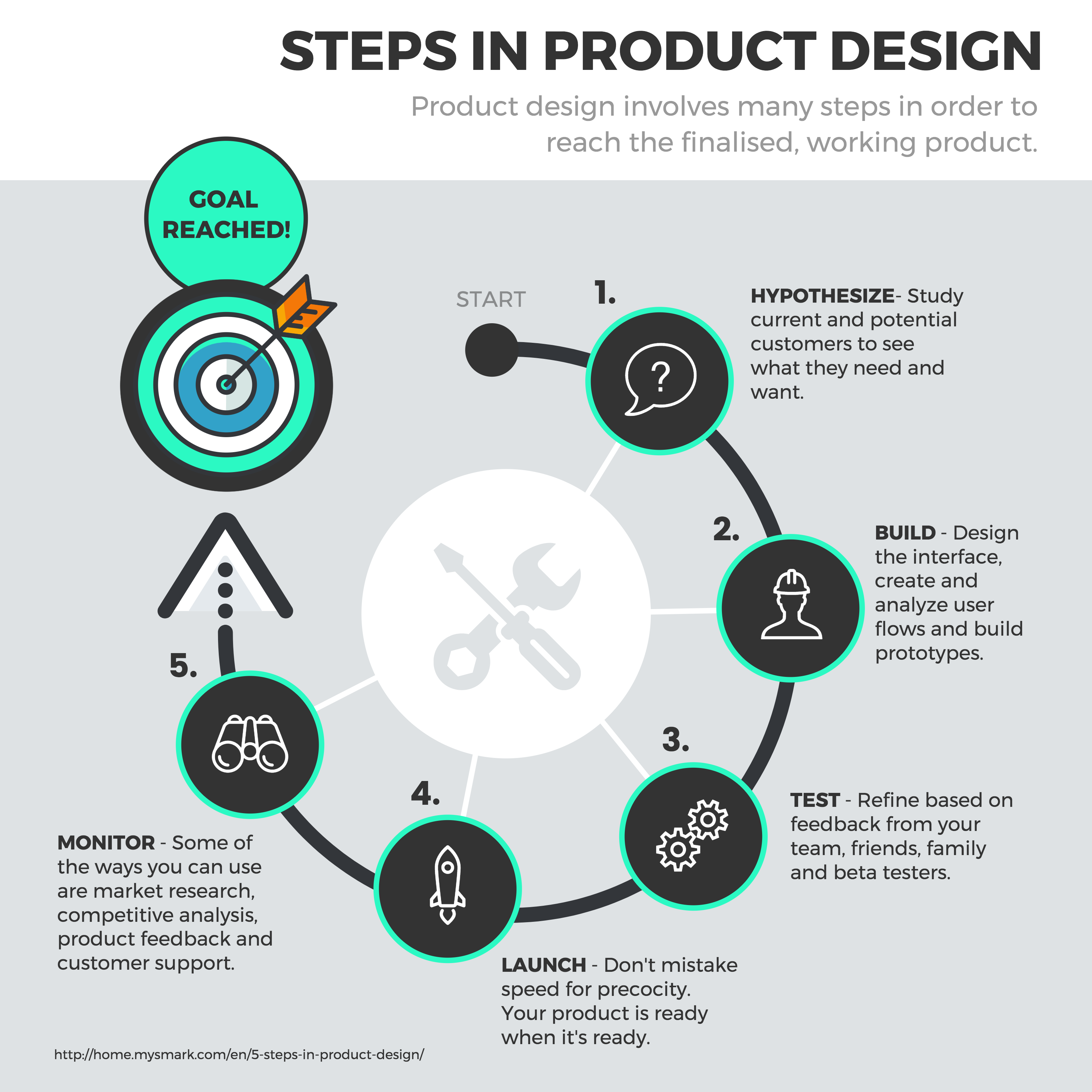
- Identify the baseline (original state)
- Apply offset correction
- Adjust grayscale balance
- Re-evaluate output accuracy
- Refine if necessary
This process ensures that the final output closely matches the intended result.


Key Components of Grayoffsetback
To fully grasp grayoffsetback, you need to understand its core elements:
- Offset Adjustment: Corrects positional or value-based deviation
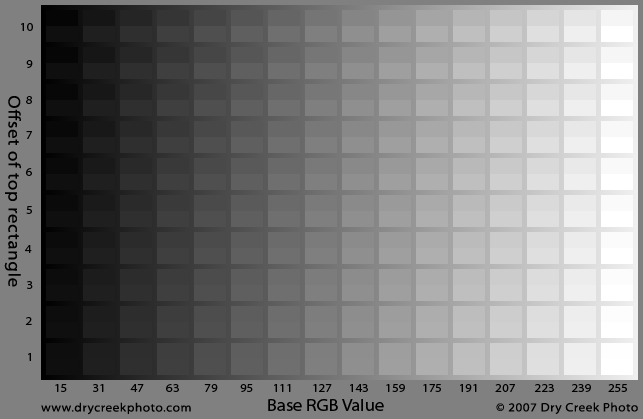
- Gray Balancing: Ensures neutral tones remain consistent
- Feedback Loop: Continuously refines the output
- Calibration Layer: Acts as a control mechanism
Each component plays a role in maintaining consistency and precision.
Applications of Grayoffsetback Across Fields
Grayoffsetback isn’t limited to one domain—it’s used in multiple areas where precision matters.
Digital Design and Imaging
In design, grayoffsetback helps maintain:
- Accurate color representation
- Balanced contrast
- Consistent visual output
Designers rely on it to ensure their work appears the same across devices.
Data Processing and Analysis
In technical workflows, grayoffsetback can:
- Normalize datasets
- Reduce noise
- Improve interpretation accuracy
This is especially useful when dealing with large volumes of data.
Printing and Output Systems
Grayoffsetback plays a major role in:
- Print accuracy
- Tone consistency
- Output reliability
Without it, printed materials may appear faded or overly dark.
Benefits of Using Grayoffsetback
When applied correctly, grayoffsetback offers several advantages.
Improved Accuracy
By correcting offsets and balancing tones, outputs become more reliable and precise.
Better Consistency
Repeated processes produce similar results, which is crucial for professional work.
Enhanced Efficiency
Instead of trial and error, grayoffsetback provides a structured approach.
Reduced Errors
It minimizes distortions and mismatches, saving time and resources.
Common Mistakes to Avoid
Even though grayoffsetback is powerful, misuse can lead to problems.
Over-Adjustment
Applying too many corrections can distort the final result instead of improving it.
Ignoring Baselines
Skipping the initial reference point makes it impossible to measure accuracy.
Lack of Iteration
Grayoffsetback works best when adjustments are tested and refined.
Misunderstanding Gray Balance
Incorrect grayscale handling can throw off the entire system.
Step-by-Step Guide to Implement Grayoffsetback
If you’re new, follow this simple framework.
Step 1: Establish a Reference Point
Start with a clean baseline. This is your comparison standard.
Step 2: Apply Initial Offset
Adjust values or positions slightly to align closer to the target.
Step 3: Balance Grayscale
Ensure neutral tones remain neutral—this is critical.

Step 4: Evaluate Results
Compare output with the baseline and desired outcome.
Step 5: Refine and Repeat
Continue adjusting until the result is optimal.
Advanced Techniques for Grayoffsetback
Once you understand the basics, you can move to advanced strategies.
Dynamic Adjustment Systems
Instead of manual changes, automated systems can apply grayoffsetback in real time.
Multi-Layer Calibration
Using multiple layers allows for:
- Greater precision
- More control
- Flexible adjustments
Feedback Integration
Incorporating feedback loops ensures continuous improvement.
When Should You Use Grayoffsetback?
Not every situation requires it, but it’s essential when:
- Accuracy is critical
- Outputs must remain consistent
- Visual or data integrity matters
If precision isn’t a priority, simpler methods may suffice.
FAQ
Frequently Asked Questions
What does grayoffsetback mean in simple terms?
It’s a method of adjusting outputs to improve accuracy by correcting offsets and balancing grayscale values.
Is grayoffsetback only used in design?
No, it’s also used in data processing, printing, and other technical fields.
How often should I apply grayoffsetback?
It depends on your workflow, but typically whenever precision is required.
Can beginners use grayoffsetback effectively?
Yes, especially with a step-by-step approach and proper understanding.
What tools support grayoffsetback?
Many digital tools and systems include calibration and adjustment features that support it.
Does grayoffsetback improve performance?
Indirectly, yes—it improves output quality, which enhances overall efficiency.
Is grayoffsetback difficult to learn?
Not really. With practice, it becomes intuitive.
What happens if I skip gray balancing?
You risk inaccurate or inconsistent results.
Conclusion
Grayoffsetback might seem like a complex concept at first, but once you break it down, it’s simply about making your results more accurate and reliable. Whether you’re working in design, data, or any precision-based field, mastering grayoffsetback can significantly improve your outcomes.
By understanding its principles, avoiding common mistakes, and applying it consistently, you’ll gain better control over your work—and that’s what truly sets professionals apart.