
Renovating a home is often expected to bring comfort, warmth, and a sense of enclosure. New finishes, updated windows, and modern layouts can give the impression that draft problems are a thing of the past. Yet many homeowners notice that cool air still sneaks in, rooms feel uneven in temperature, or certain areas never quite feel comfortable.
These drafts can be frustrating because they seem to contradict the effort already invested. In Memphis, TN, this concern comes up often after remodeling projects, especially when the underlying causes are not fully addressed during the work.
Insulation Gaps and Incomplete Coverage
Insulation is one of the most common reasons homes continue to feel drafty even after renovations are completed. Remodeling projects often focus on visible upgrades, and insulation improvements are usually limited to areas where walls, ceilings, or floors are opened during the process. This selective approach can leave large portions of the home unchanged, allowing air to move between spaces without resistance.
Renovations often improve insulation only in selected areas, which can leave other sections exposed to airflow, especially in regions with changing weather patterns. This is one of the main reasons whole home insulation in Memphis, TN, is often considered when drafts persist after renovation work. When insulation coverage is inconsistent, warm and cool air can escape or enter through untreated sections, creating noticeable drafts even in newly renovated rooms.
In some cases, existing insulation may also be disturbed during construction. Materials can shift, compress, or settle unevenly once work is finished, leaving hidden gaps behind walls. These gaps are not visible after surfaces are closed, but they still allow air movement that affects comfort. Without uniform insulation throughout the structure, renovations alone may not be enough to stop drafts from lingering.
Air Leaks Around Windows and Doors
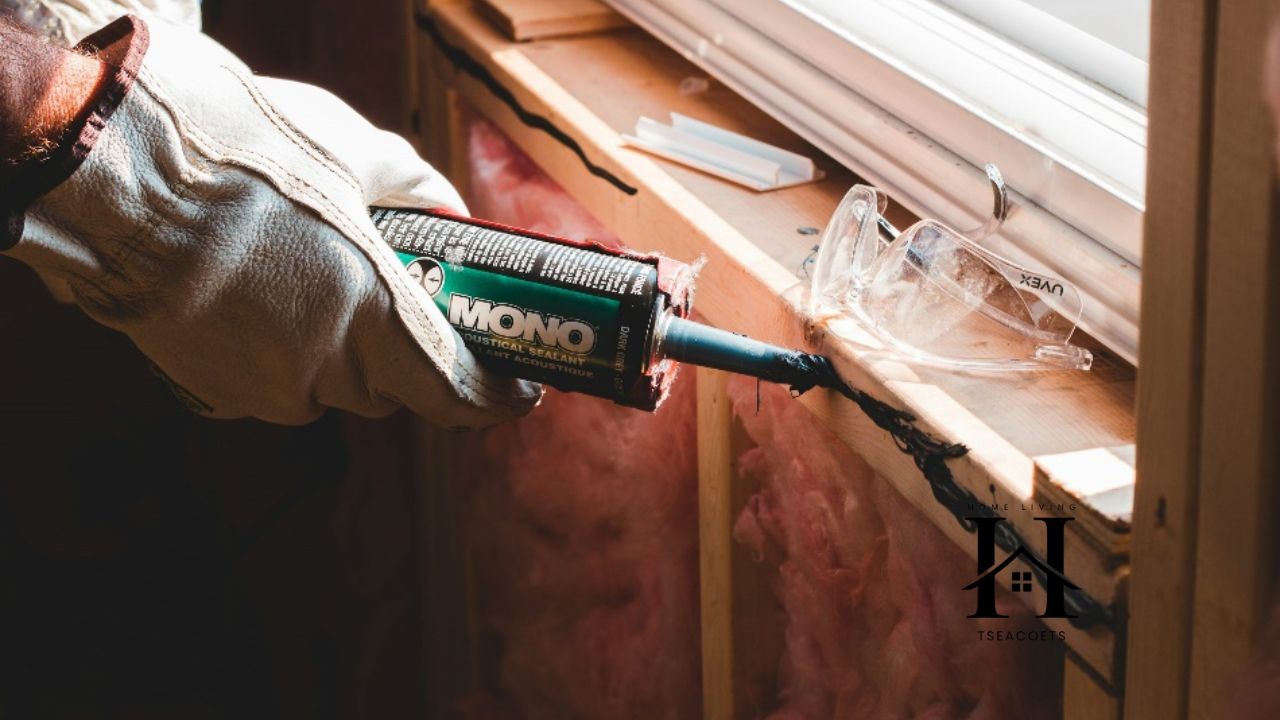
New windows and doors are often part of renovation plans, but drafts can still occur if installation details are overlooked. A window may look secure, while small openings around the frame allow air to pass through. These gaps are not always visible, yet they can have a noticeable effect on comfort.
Doors can present similar challenges. Even a well-designed door needs proper sealing along the edges. If weather seals are missing, worn, or poorly fitted, air can slip through. Over time, daily use can loosen components, making these areas prime spots for drafts that linger long after renovations are complete. When these small air leaks exist in multiple openings throughout the home, their combined effect can make indoor spaces feel consistently cooler and less comfortable than expected.
Structural Openings Hidden Behind Walls
Many homes contain hidden pathways for air movement that are not addressed during surface-level updates. Openings around plumbing lines, electrical wiring, or ventilation paths can allow outside air to enter wall cavities. When renovations focus mainly on appearance, these areas may remain untouched.
Once air enters these cavities, it can travel and emerge in unexpected places. A room may feel drafty even though the source is several feet away. Without careful attention to these hidden openings, comfort issues can persist regardless of how new the interior looks. Because these air paths are concealed behind finished surfaces, they are often overlooked during renovations and continue to affect comfort long after the work is complete.
Poorly Sealed Attics and Basements
Attics and basements often act as gateways for outside air. During renovations, these spaces may receive minimal attention unless they are being finished. However, air movement in these areas affects the entire home. Warm air tends to rise, and if an attic is not well sealed, it can pull cooler air from lower levels, creating drafts throughout the living space.
Basements can have similar effects. Small cracks, rim areas, and unsealed joints allow air to enter and spread upward. Even if the main floors have been updated, these lower areas can continue to influence how the home feels unless they are properly addressed.
Ventilation Imbalances After Updates
Renovations sometimes change how air moves inside a home. Adding new rooms, altering layouts, or upgrading heating and cooling systems can disrupt existing airflow patterns. When ventilation is not balanced, some rooms may feel drafty while others feel stuffy.
This imbalance can be subtle. Air may be pulled from certain areas faster than it is replaced, creating a sensation of moving air. Without careful planning, improvements meant to enhance comfort can unintentionally introduce new sources of drafts.
Aging Building Materials Left Untouched
Not every renovation replaces all materials. Older sections of a home may still have worn framing, thin wall coverings, or aging sealants. These materials can shrink, crack, or lose effectiveness over time. When new areas meet old ones, the contrast can highlight weaknesses that were less noticeable before.
These transition points are especially prone to drafts. Even if the renovated areas are well built, the surrounding older materials can undermine the overall comfort of the home.
Floor Level Air Movement
Drafts are not always felt at eye level. In many homes, cool air enters near the floor through gaps in flooring, base areas, or joints where walls meet the floor. Renovations that focus on walls and ceilings may leave these areas unchanged.
This type of draft can make rooms feel chilly even when the air temperature seems normal. Because the sensation comes from below, it is often mistaken for a problem with heating rather than air leakage.
Inconsistent Work Quality Across Projects
Homes that have undergone multiple renovations over the years may suffer from uneven workmanship. Each project may have addressed specific goals without considering how it connects to previous updates. Small inconsistencies can add up, creating multiple pathways for air to enter.
When these issues overlap, drafts become more noticeable. The home may look cohesive, but beneath the surface, gaps and weak points remain.
Drafts after renovations are not a sign that improvements were pointless. They are often a reminder that comfort depends on more than visible changes. Air movement, insulation coverage, and careful sealing all work together to create a stable indoor environment. When these elements are considered as a whole, homes are far more likely to feel as comfortable as they look.