
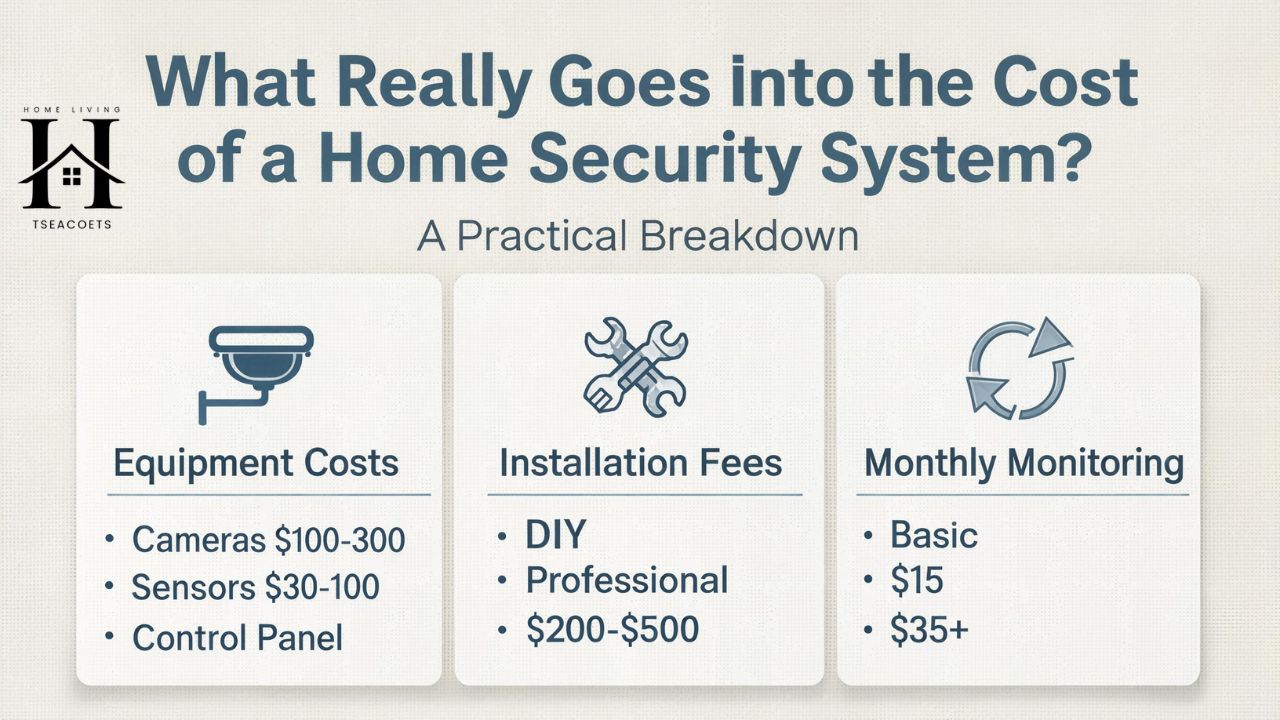
Understanding the true cost of a home security system requires looking beyond the advertised starting price. Many homeowners begin researching options like DIY home security system installation without realizing how many individual components influence the final total. From hardware and installation choices to monitoring and maintenance, each decision plays a role in shaping both upfront and long term expenses.
Equipment and Hardware Selection
The foundation of any home security system is the equipment itself, and this is often the highest upfront cost. Basic systems typically include a control panel, door and window sensors, and motion detectors, while more advanced setups add cameras, glass break sensors, and smart locks. The quality, brand, and quantity of these devices can significantly affect the total price.
Hardware costs also vary depending on whether the system is designed for a small apartment or a larger home with multiple entry points. Homes with garages, outdoor areas, or detached structures often require additional sensors or cameras. These extra components improve coverage but naturally increase the overall investment.
Installation Method and Setup Complexity
Installation is another key factor that impacts the cost of a security system. Professional installation usually comes with a higher upfront fee but offers expert placement, wiring support, and system testing. This option is often preferred by homeowners who want a hands-off experience and guaranteed setup accuracy.
Self-installation can reduce initial costs, especially for wireless systems designed for easy setup. However, complex layouts or advanced features may still require technical knowledge or troubleshooting. In some cases, setup mistakes can reduce system effectiveness or lead to additional expenses later.
Monitoring Services and Monthly Fees
Monitoring services are a recurring cost that many homeowners underestimate when budgeting for a security system. Professionally monitored systems provide around-the-clock oversight and alert emergency services when alarms are triggered. These services typically involve a monthly or annual subscription fee.
The price of monitoring varies based on response time, communication methods, and additional features such as mobile alerts or video verification. Some homeowners opt for self-monitoring to avoid monthly fees, but this places full responsibility for emergency response on the homeowner. The right choice depends on personal comfort level and lifestyle needs.
Smart Features and Technology Integration
Modern security systems often integrate with smart home technology, adding convenience and automation. Features like mobile app control, voice assistant compatibility, and remote access increase usability but can also raise costs. Each added layer of technology usually comes with higher equipment prices or subscription upgrades.
Smart integrations can also require reliable internet connections and compatible devices throughout the home. While these features enhance control and visibility, they may not be necessary for every household. Evaluating which technologies genuinely add value helps keep costs aligned with actual needs.
Ongoing Maintenance and Upgrades
Maintenance is often overlooked in security system ownership. Batteries need replacement, cameras may require cleaning, and software updates are essential for performance and security. These small recurring costs can add up over time, especially for larger systems.
Upgrades are another consideration as technology evolves. Homeowners may choose to add cameras, improve resolution, or expand coverage as needs change. Planning for gradual upgrades instead of all at once can help manage long-term expenses more effectively.
Home Layout and Coverage Requirements
The physical layout of a home plays a major role in determining security system costs. Larger homes or properties with multiple floors require more sensors and stronger signal coverage. Entry points such as sliding doors, basements, and side entrances also increase system complexity.
Outdoor areas such as yards, driveways, and patios may benefit from exterior cameras or lighting. These additions improve security but involve weather-rated equipment and more detailed placement planning. Tailoring coverage to actual risk areas helps balance protection and affordability.
Conclusion
The cost of a home security system is shaped by far more than a single price tag. Equipment choices, installation methods, monitoring services, smart features, and long-term maintenance all contribute to the final investment. By understanding these factors upfront, homeowners can make informed decisions that balance safety, functionality, and budget with confidence.