
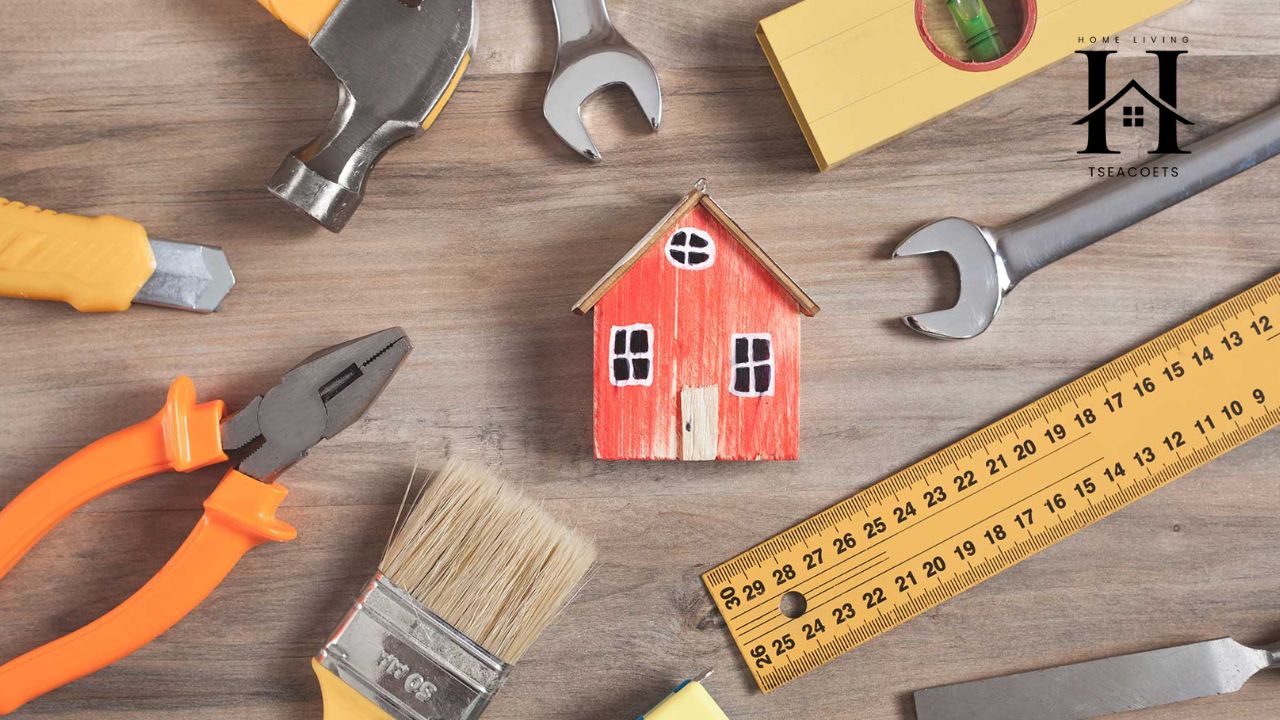
Doing things yourself is more than just a trend; it’s a powerful movement. Embracing a DIY (Do-It-Yourself) mindset can transform your home, your skills, and even your budget. It’s about empowerment, creativity, and the immense satisfaction that comes from building, repairing, or creating something with your own two hands.
This guide is your starting point for a wonderful journey into the world of DIY. We’ll explore everything from simple home repairs to ambitious crafting projects, giving you the confidence to get started. Whether you’re looking to save money, learn a new skill, or simply find a fulfilling hobby, the path of DIY has something for everyone.
Quick Guide to DIY Projects
| Project Category | Difficulty | Avg. Cost | Time Commitment |
|---|---|---|---|
| Home Repair | Beginner-Advanced | $20 – $500+ | 1 hour – Multiple days |
| Home Decor | Beginner-Intermediate | $10 – $200 | 2 hours – Full weekend |
| Gardening | Beginner-Intermediate | $30 – $300 | Ongoing |
| Crafting | Beginner-Advanced | $5 – $100 | 1 hour – Many weeks |
| Upcycling | Beginner-Intermediate | $0 – $50 | 2 hours – Full weekend |
Why Has the DIY Movement Exploded?
The urge to create and fix things is deeply human. However, the recent surge in the popularity of DIY can be traced to several key factors that resonate with modern life. It’s not just about hammering a nail; it’s a cultural shift. Discover stylish home décor ideas, modern furniture, and elegant interiors at topsiabcom topsiab. Elevate your home with timeless design inspiration.
The Economic Appeal
Let’s face it: hiring professionals can be expensive. One of the most compelling reasons people turn to DIY is the potential for significant savings. A simple plumbing fix that might cost hundreds of dollars for a professional call-out can often be handled for the price of a few parts and a bit of research.
The global DIY home improvement market was valued at over $800 billion and is projected to continue its impressive growth. This isn’t just a niche hobby; it’s a massive economic force driven by homeowners looking to add value to their properties without breaking the bank. Taking on a DIY project, like painting a room or installing new flooring, can boost your home’s equity for a fraction of the cost of hiring contractors.
Garden lovers often rely on helpful online resources to improve their outdoor spaces and stay informed. Websites like robertmygardenandpatio.net provide useful tips on gardening and patio design, while latestnewsmygreenbucksnet.com shares updates on sustainability, savings, and eco friendly living for smarter, greener lifestyle choices.
The Power of Information
The internet has revolutionized the DIY landscape. Twenty years ago, if you wanted to fix a leaky faucet, you might have to consult a dense manual or hope a knowledgeable neighbor was home. Today, you have instant access to countless resources.
Platforms like YouTube, Pinterest, and countless blogs are filled with step-by-step tutorials, video guides, and printable plans. This democratization of knowledge means that anyone with an internet connection can learn complex skills, from basic carpentry to intricate electronics. The barrier to entry for any DIY task has never been lower.
A Quest for Sustainability and Personalization
Mass-produced items often lack character and can contribute to a cycle of waste. The DIY movement offers a powerful antidote. By repairing what’s broken, upcycling old furniture, or building custom pieces, you are actively choosing a more sustainable path.
Moreover, DIY allows for unparalleled personalization. You’re not limited to what’s available in stores. You can choose the exact color, material, and design that fits your unique style. That bookshelf you built isn’t just a piece of furniture; it’s a reflection of your taste and effort. Myoervyfanily by PushYourDesign.com offers creative, meaningful designs that celebrate individuality, family values, and modern self-expression.
The Mental and Emotional Benefits
Beyond the practical advantages, engaging in DIY projects offers profound psychological rewards. The process can be a form of active meditation, demanding focus and pushing away the stresses of daily life.
Completing a project, no matter how small, delivers a powerful sense of accomplishment and boosts self-esteem. It proves that you are capable and self-reliant. This feeling of empowerment is incredibly addictive and is a core reason why so many people fall in love with the DIY lifestyle.
Getting Started: Building Your DIY Foundation
Diving into DIY can feel intimidating. The key is to start small and build your skills and confidence gradually. You don’t need a professional workshop to begin your journey.
Must-Have Tools for Every Beginner
A well-stocked toolbox is a DIY enthusiast’s best friend. You don’t need to buy everything at once. Start with the essentials and add more specialized tools as your projects demand them.
The Absolute Basics
- Hammer: A 16-ounce claw hammer is versatile enough for most household tasks.
- Screwdriver Set: Get a set with interchangeable bits, including various sizes of Phillips-head and flat-head drivers.
- Tape Measure: A reliable 25-foot tape measure is indispensable for accuracy.
- Pliers: A set including needle-nose, slip-joint, and cutting pliers will cover most of your needs.
- Utility Knife: For opening boxes, scoring drywall, and countless other cutting tasks.
- Adjustable Wrench: One or two of these can replace a whole set of fixed wrenches for simple tasks.
- Level: A small torpedo level is perfect for hanging pictures and shelves correctly.
Leveling Up Your Toolkit
Once you’re comfortable with the basics, consider adding these power tools to make your DIY projects faster and more professional.
- Cordless Drill/Driver: This is arguably the most important power tool you’ll own. It drills holes and drives screws with ease. Look for a model with a lithium-ion battery.
- Circular Saw: For making straight cuts in wood, a circular saw is essential for many carpentry and building projects.
- Orbital Sander: To achieve a smooth, professional finish on wood projects, an orbital sander is a must.
Finding Your First Project
The best first project is one that is both simple and genuinely useful. Success will build momentum for more ambitious undertakings.
Simple Starter DIY Ideas
- Fix a Leaky Faucet: This common household problem is often caused by a worn-out washer or O-ring, making it a perfect beginner repair.
- Hang a Picture or Shelf: This teaches you how to find studs, use a level, and properly anchor items to a wall.
- Paint an Accent Wall: Painting is a high-impact, low-cost DIY project that can dramatically change the feel of a room.
- Build a Simple Wooden Crate: This introduces basic cutting, assembly, and finishing skills.
Don’t be afraid to start with a kit. DIY kits, whether for building a birdhouse or assembling a piece of furniture, provide all the necessary materials and instructions, removing much of the guesswork.
Exploring the Major Realms of DIY
The world of DIY is vast. Let’s break down some of the most popular categories, complete with project ideas and tips for success.
DIY Home Improvement and Repair
This is often the gateway into the DIY world. Managing your own home repairs and improvements is both empowering and economical.
Common Interior Projects
- Painting: A fresh coat of paint is the quickest way to transform a space. Don’t just think about walls; you can paint cabinets, furniture, and even tile for a budget-friendly update.
- Flooring: While a full hardwood installation can be advanced, many homeowners can successfully install laminate or luxury vinyl plank (LVP) flooring. These products often use a click-lock system that is very DIY-friendly.
- Lighting: Swapping out an old light fixture for a new one is a surprisingly simple electrical project that can modernize a room. Always remember to turn off the power at the circuit breaker first!
- Basic Plumbing: Beyond leaky faucets, you can learn to unclog drains, replace a showerhead, or even install a new toilet.
User Reviews on DIY Flooring
Many first-timers share their experiences online. One reviewer on a home improvement forum noted:
“I was terrified to tackle the laminate flooring in our bedroom. My wife and I watched about ten videos and just went for it. The first row was a nightmare, but once we got the hang of it, it was almost fun! The pride we feel looking at our new floor is incredible. We saved at least $1,500. Rating: 5/5, would do it again.”
DIY Decor and Crafts
This is where your creativity can truly shine. Crafting and creating your own decor adds a personal touch that store-bought items can’t match.
Popular Crafting Disciplines
- Woodworking: From simple cutting boards to intricate furniture, woodworking is a deeply rewarding skill. It requires patience and a respect for safety.
- Textile Arts: This includes sewing, knitting, crocheting, and macramé. You can create clothes, blankets, wall hangings, and more.
- Candle and Soap Making: These are fantastic beginner crafts that result in beautiful, usable products. There are countless kits and tutorials available.
- Upcycling: This is the art of turning trash into treasure. Old jars become lanterns, worn-out jeans become a quilt, and a broken chair becomes a unique planter. It’s a wonderfully sustainable form of DIY.
A Personal Story: My Journey into Upcycling
My own passion for DIY truly ignited with an old, forgotten dresser. It was a solid wood piece from the 1970s, but it was covered in scratches and a hideous dark varnish. I was a student with a tiny budget, so buying new furniture was out of the question.
Armed with a cheap sander and a can-do attitude, I spent a weekend stripping it down. The process was messy and tiring, but seeing the beautiful raw wood emerge was exhilarating. I painted it a bold teal, replaced the old hardware with modern brass knobs, and suddenly had a stunning statement piece for my apartment. That project cost me less than $50 but gave me a priceless sense of pride and a beautiful piece of furniture that I still own today. It taught me that with a little vision and effort, you can make something amazing out of almost anything.
DIY Gardening and Outdoor Projects
Your yard and garden offer a fantastic canvas for DIY projects. These activities connect you with nature and can literally bear fruit.
Outdoor Project Ideas
- Build Raised Garden Beds: These are perfect for controlling your soil quality and making gardening more accessible. They can be built simply from untreated pine or cedar.
- Create a Walkway: Laying a simple paver or stepping-stone path can add structure and charm to your garden.
- DIY a Fire Pit: A backyard fire pit can be the centerpiece of your outdoor social life. Simple versions can be made from retaining wall blocks in just an afternoon.
- Compost Bin: Building a compost bin is a great DIY project that reduces kitchen waste and creates nutrient-rich soil for your garden.
Safety: The Most Important DIY Skill
Your enthusiasm for a new project should never overshadow the need for safety. A trip to the emergency room will quickly erase any savings or satisfaction you might have gained.
Core Safety Principles
- Wear Personal Protective Equipment (PPE): This is non-negotiable.
- Safety Glasses: Protect your eyes from dust, debris, and chemical splashes.
- Gloves: Use the right gloves for the job—leather for handling rough materials, nitrile for chemicals.
- Hearing Protection: Essential when using loud power tools like saws and sanders.
- Dust Mask/Respirator: Protect your lungs from fine dust, paint fumes, and other airborne particles.
- Read the Manual: Every tool, especially a power tool, comes with a manual. Read it to understand its specific features and safety warnings.
- Work in a Clean, Well-Lit Space: Clutter is a trip hazard. Good lighting ensures you can see what you’re doing, preventing mistakes and injuries.
- Know Your Limits: Be honest about your skill level. If a project involves structural changes, complex electrical work, or gas lines, it’s often best and safest to hire a professional. This isn’t a failure; it’s a smart DIY decision.
- Respect Electricity: Always, always, always turn off the power at the breaker before working on any wiring or fixtures. Use a voltage tester to confirm the power is off.
The Future of DIY: Technology and Trends
The DIY landscape is constantly evolving, with new technologies making it easier and more accessible than ever before.
The Impact of 3D Printing
3D printers are becoming increasingly affordable and are a game-changer for DIY enthusiasts. You can now design and print custom parts for repairs, unique organizational tools, or components for larger projects. Need a specific bracket that you can’t find in stores? Just print it. This technology opens up a new frontier of custom creation.
The Rise of Smart Home DIY
The Internet of Things (IoT) has brought smart technology into our homes, and much of it is surprisingly DIY-friendly. You can install your own smart thermostats, light bulbs, security cameras, and locks. These projects often involve simple installation and app-based setup, offering a gentle introduction to home automation.
Community and Collaboration
The future of DIY is also social. Makerspaces—community workshops equipped with tools and technology—are popping up in cities worldwide. They provide access to equipment you might not be able to afford or store yourself, like laser cutters and CNC machines. More importantly, they foster a community where you can learn from others and collaborate on projects.
The collaborative spirit of the DIY community is one of its greatest strengths. Online forums, social media groups, and local meetups are incredible resources for troubleshooting problems and sharing your successes. Never hesitate to ask for help; someone has likely faced the same challenge before.
Conclusion: Your DIY Adventure Awaits
The world of DIY is rich, rewarding, and wonderfully diverse. It’s a journey of continuous learning, a path to self-reliance, and a creative outlet that can bring immense joy and satisfaction. It’s about more than just saving money; it’s about the confidence you build and the personal touch you bring to your environment.
Start with a small, manageable project. Gather your basic tools, prioritize safety, and don’t be afraid to make mistakes—they are your best teachers. With every project you complete, your skills will grow, and your ambition will expand. Welcome to the empowering world of DIY.
Frequently Asked Questions (FAQs)
What is the easiest DIY project for a total beginner?
A great first project is painting a small piece of furniture or an accent wall. It’s low-risk, doesn’t require expensive tools, and the results are immediately visible and rewarding. Another excellent option is assembling a flat-pack furniture kit, which helps you get comfortable with following instructions and using basic tools.
How much money can I really save with DIY?
The savings can be substantial. For example, professional interior painting can cost $2 to $6 per square foot. By doing it yourself, you reduce that cost to just the price of paint and supplies, often saving 70-80%. For larger projects like installing a new faucet or flooring, you can easily save several hundred to a few thousand dollars in labor costs.
What is the most important tool for a DIYer?
While every tool has its purpose, a good quality cordless drill/driver is arguably the most versatile and time-saving tool you can own. It makes assembling furniture, hanging shelves, and a multitude of other tasks incredibly fast and easy compared to using manual screwdrivers.
When should I NOT do it myself?
You should always hire a professional for projects that could pose a significant risk to your safety or your home’s integrity if done incorrectly. This includes major electrical work (like replacing a service panel), anything involving gas lines, structural modifications (like removing a wall), and complex roofing jobs. Knowing when to call a pro is a key part of being a smart DIY enthusiast.
How can I learn the skills I need for a DIY project?
The internet is your best resource. YouTube has video tutorials for practically any project imaginable. Home improvement blogs and manufacturer websites also provide excellent step-by-step guides. For hands-on learning, check out workshops at local hardware stores or community colleges. And don’t underestimate the power of starting small to build foundational skills.
Admin Recommendation
ActivePropertyCare Brendan: A Comprehensive Review and Guide
Latest News on MyGreenBucksNet: Everything You Need to Know
KDArchitects Landscape Ideas from Morph: Transform Your Outdoor Space