
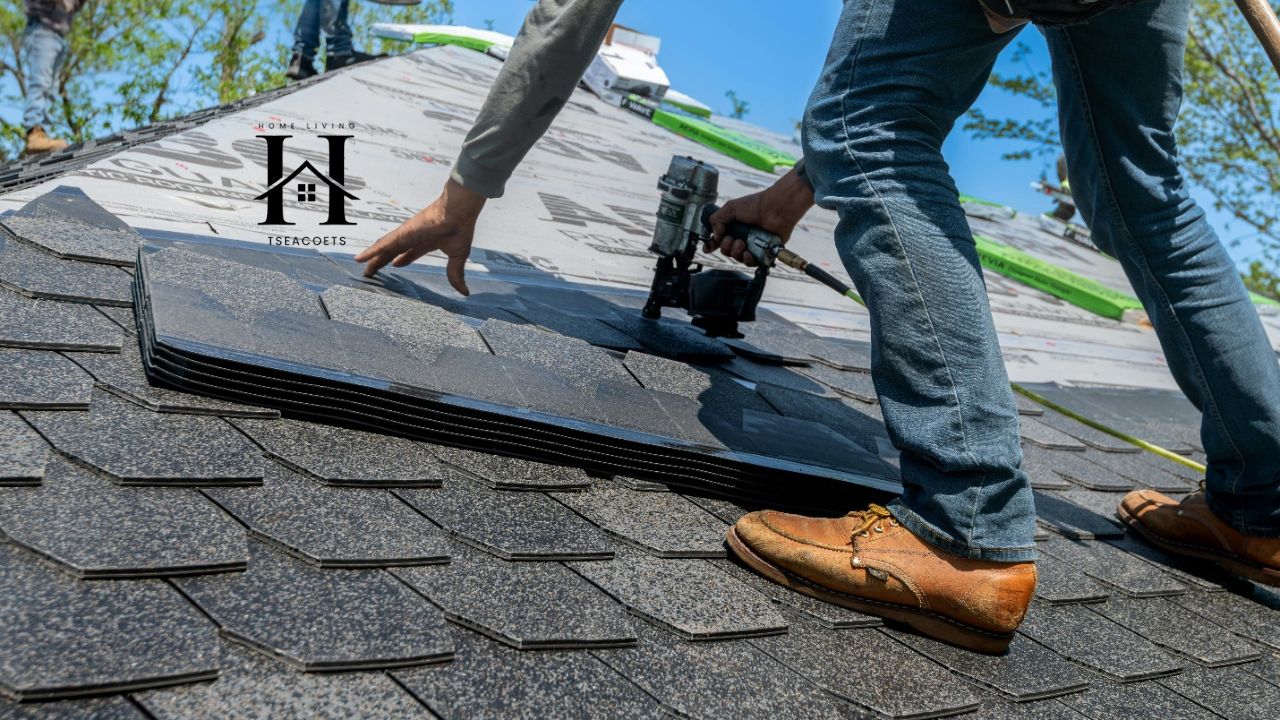
Home repairs often arrive without warning, and when they do, the cost can feel overwhelming. Many homeowners delay needed work because they are unsure how to manage the expense. Unfortunately, postponing repairs can allow small issues to worsen, leading to higher costs and added stress later on.
Making repairs affordable does not mean sacrificing quality. It means understanding priorities, planning ahead, and using available options wisely. With the right approach, homeowners can take care of essential repairs without putting unnecessary pressure on their finances. The tips below explain practical ways to manage repair costs while protecting the long-term condition of the home.
Prioritize Based on Urgency
Not every repair needs immediate attention. Some issues affect safety or structural stability and should be handled right away, while others can be scheduled over time. Identifying urgent repairs helps homeowners focus their budget where it matters most. By prioritizing repairs, homeowners avoid spreading funds too thin. This approach reduces financial strain and makes it easier to plan future projects. Clear priorities create a manageable path forward and help keep repair costs under control.
Explore Flexible Payment Options for Major Projects
Major home exterior projects can be expensive, and paying the full cost upfront is not always realistic. This often leads homeowners to delay important work, even when repairs are clearly needed. Flexible payment options can ease this burden and allow work to move forward. This is where roof financing can make a real difference. Many roofers, like Dr. Roof, allow homeowners to break large repair costs into manageable monthly payments. Instead of postponing repairs, these plans make it easier to act quickly while maintaining financial balance and avoiding further damage.
Address Problems Early to Avoid Higher Costs
Small repair issues rarely fix themselves. What begins as minor damage can slowly grow into a larger and more expensive problem if ignored. Addressing issues early is one of the most effective ways to keep repair costs manageable. Routine inspections and quick action help owners avoid emergency situations that often come with higher expenses. Early repairs usually require less labor and fewer materials, making them easier to budget for. Acting sooner also protects the home’s structure and reduces long-term financial strain, helping homeowners stay ahead of costly surprises.
Get Clear Estimates Before Committing
Clear estimates are essential when planning any home repair. Homeowners should request detailed quotes that outline labor, materials, timelines, and any additional fees. This transparency helps prevent unexpected costs once work begins. Asking questions before committing to a project builds confidence and ensures everyone is aligned. When expectations are clearly defined, homeowners can plan their budget more accurately and compare options if needed. Understanding costs upfront reduces stress and helps homeowners make informed decisions that support both affordability and quality results.
Plan Repairs Around Seasonal Timing
The timing of home repairs can have a direct impact on cost. Some projects may be more affordable during slower seasons when demand for services is lower. Planning ahead allows homeowners to schedule repairs at a more convenient and cost-effective time. Seasonal planning also helps avoid rushed decisions, which can lead to higher expenses. By choosing the right time of year, homeowners can better manage their budget and ensure work is completed under favorable conditions. Thoughtful timing supports both quality workmanship and better financial control.
Maintain What You Already Have
Regular maintenance is one of the simplest ways to reduce future repair costs. Tasks such as cleaning gutters, checking seals, and inspecting exterior surfaces help prevent damage from spreading. Small efforts completed consistently can protect larger systems from wear and deterioration. Staying on top of routine care allows homeowners to extend the lifespan of existing materials and avoid major costs. Maintenance typically costs far less than replacements and helps prevent unexpected expenses. A little attention throughout the year can lead to meaningful savings and greater peace of mind.
Choose Materials That Balance Cost and Durability
Choosing the least expensive materials may seem like a good way to save money, but it can lead to higher costs over time. Lower-quality materials often wear out faster and require frequent repairs or replacement. Homeowners should consider materials that balance affordability with durability. Spending slightly more upfront can reduce maintenance needs and lower long-term expenses. Durable materials help ensure repairs last longer and provide stronger protection for the home. Making thoughtful material choices supports better value and helps avoid repeated repair costs.
- Work With Experienced Professionals
Hiring experienced professionals can help prevent costly mistakes. Skilled contractors know how to assess issues accurately and complete repairs correctly the first time. This reduces the risk of repeat work or unexpected problems later. Experienced professionals can also offer guidance on materials, timelines, and proper maintenance. Their knowledge helps homeowners make informed decisions that protect both the home and the budget. Quality workmanship plays a key role in keeping projects affordable and ensuring long-lasting results that do not require frequent fixes.
Understand Warranties and Coverage Options
Warranties and coverage options can significantly reduce future repair expenses. Many materials and services include protection against defects or early failure. Understanding these details allows homeowners to take full advantage of available coverage. Before work begins, it is important to review warranty terms carefully and keep documentation organized. Knowing what is covered helps avoid unnecessary out-of-pocket costs later. Being informed about warranties provides added financial protection and peace of mind, especially when planning long-term home maintenance.
Create a Long-Term Repair Budget
Planning ahead is one of the most effective ways to manage home repair costs. Setting aside funds gradually allows homeowners to prepare for future projects without added stress. Even small monthly contributions can grow into a helpful reserve over time. A long-term repair budget helps prevent sudden financial pressure when repairs become necessary. When funds are available, homeowners can address issues promptly instead of delaying important work. Planning ahead supports smarter decisions and keeps home maintenance affordable year after year.
Home repairs do not have to be overwhelming or financially draining. With careful planning, early action, and smart decision-making, homeowners can manage costs more effectively. Prioritizing repairs, maintaining existing systems, and choosing quality solutions all play an important role. By using flexible payment options, working with experienced professionals, and planning for the future, homeowners can protect their property without unnecessary stress. A thoughtful approach makes home repairs more affordable while preserving long-term value and comfort.